What to Do After a Storm: Damage and Cleanup
Storms can leave a trail of destruction, inflicting severe damage to homes, properties, and landscapes. It’s vital to know how to properly assess and handle the aftermath of a storm to protect safety, reduce further damage, and begin the path to recovery. After a storm passes, taking the right steps in damage assessment and cleanup is crucial for both personal safety and financial recovery. In many cases, fallen trees and broken limbs may require help from a local tree removal service to restore safe conditions.
Prioritizing Personal Safety After a Storm
Firstly, personal safety should be your top priority. Avoid entering damaged structures until they have been evaluated for safety risks such as gas leaks, flooding, or structural weaknesses. It is wise to use a flashlight rather than an open flame for lighting to prevent accidental fires in case of a gas leak. Recording any damages with photos and videos can be useful for insurance claims later on, especially when coordinating cleanup efforts with a local tree removal service.
Assessing Structural and Property Damage
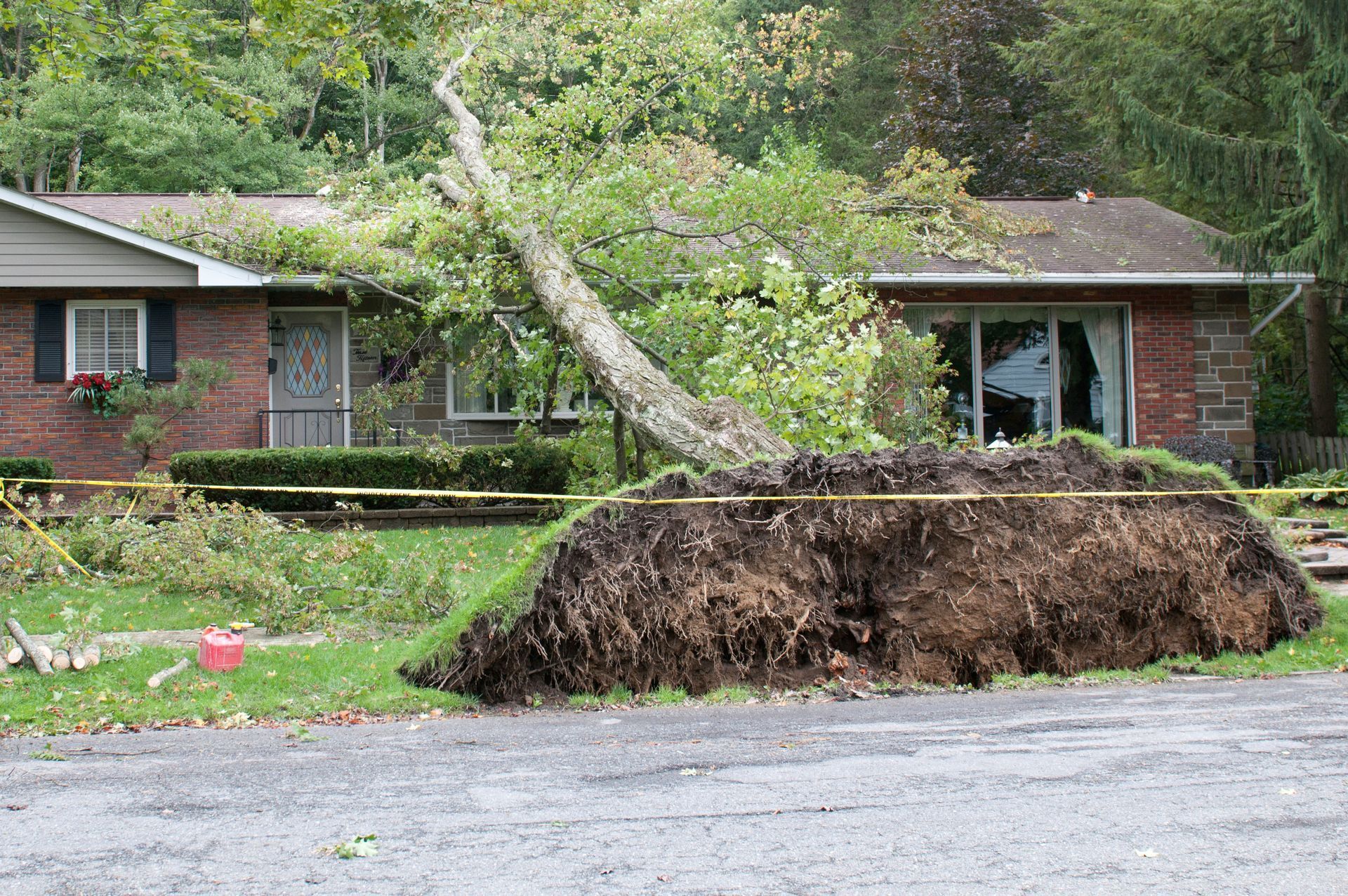
Once your safety is secured, evaluate the extent of the damage. Tornadoes, for instance, cause approximately $400 million in damage annually in the United States, according to National Geographic, highlighting the importance of thorough damage assessment. Begin by checking your home's structural components, such as roofs, walls, and foundations. Downed trees, leaning trunks, or large broken branches should be addressed promptly, often with the assistance of a local tree removal service to reduce ongoing risks.
Managing Cleanup and Debris Removal
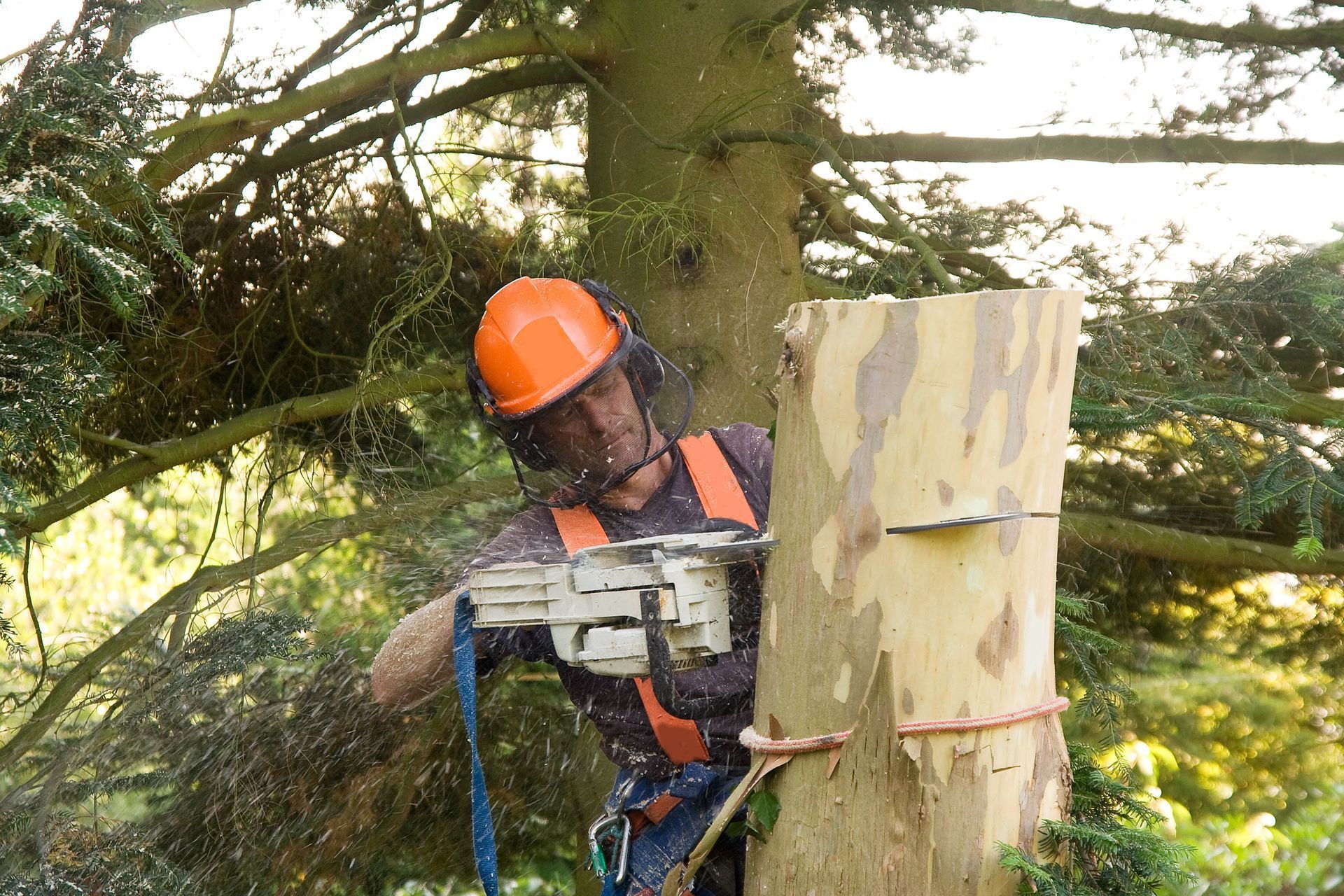
After assessing damage, prioritize your cleanup efforts. Clear debris carefully, wearing proper protective gear such as gloves and masks to protect from sharp objects and dust. Organize debris into piles for disposal according to local guidelines and remain cautious of hazardous materials like chemicals or asbestos. Large tree debris and unstable limbs may be unsafe to handle alone, making a local tree removal service a practical option during post-storm cleanup.
Handling the aftermath of a storm requires careful consideration of safety, damage assessment, and cleanup. Prioritizing personal safety, using professional help where needed, and methodically approaching the cleanup process can significantly ease the recovery journey. Storm damage can be overwhelming, but with organized efforts and reliable support, homes and communities can recover and prepare for future events. Call Clean Cut, LLC today to learn more about local tree removal service.


Share On: